 WeCult App
5 American War Films That Haven't Aged Gracefully
Some war movies, once lauded, now feel jarringly out of step with modern sensibilities. We're looking at classic American war films that, despite their initial acclaim, haven't stood the test of time.
The power of cinema, especially in the war genre, often lies in its ability to capture the zeitgeist and resonate across generations. War films can be profound, emotionally gripping, and historically significant, offering audiences a window into conflict and human resilience. Yet, time is a relentless critic, and some films that once served as powerful entertainment now feel like relics, their messages and portrayals stumbling under the weight of changing societal values and historical understanding. It's a fascinating, sometimes uncomfortable, exercise to revisit these cinematic landmarks and see how they've aged.
When Classics Show Their Age
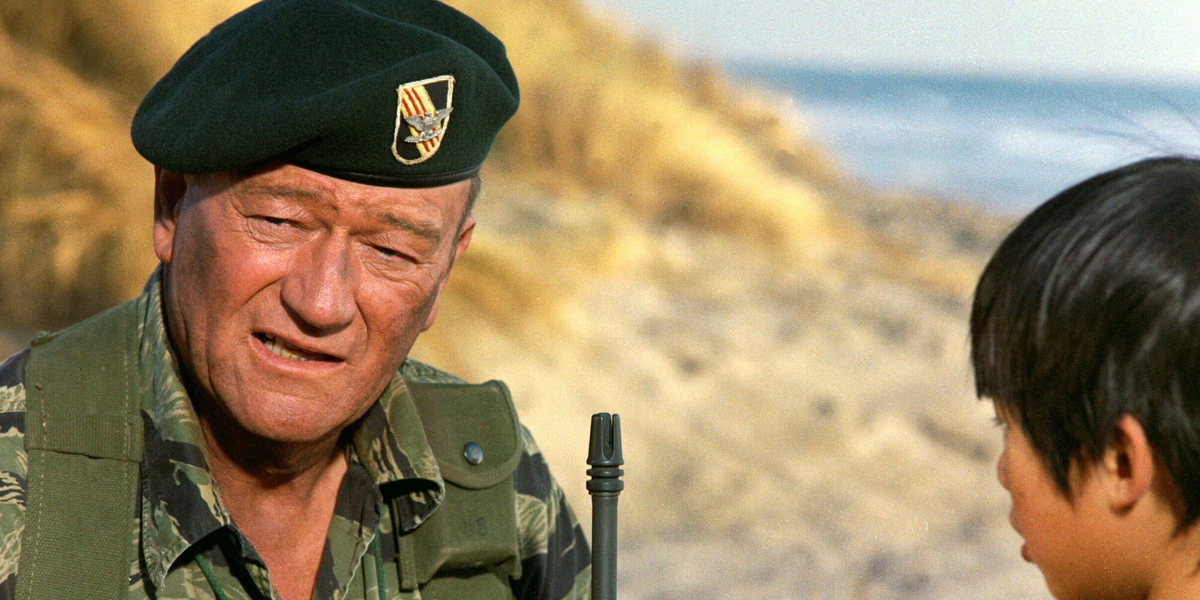
Several American war movies, celebrated in their day, now present a starkly different viewing experience. Titles like The Birth of a Nation (1915), despite its technical innovations, is now widely condemned for its deeply racist depictions and glorification of the Ku Klux Klan. The Green Berets (1968), starring and directed by John Wayne, offered a staunchly pro-Vietnam War stance that felt increasingly out of sync with public opinion even during its release, and now reads as a piece of propaganda rather than nuanced storytelling. Similarly, Battle of the Bulge (1965), a sprawling epic intended to capture the grandeur of the titular WWII battle, is often criticized for its historical inaccuracies and a narrative that feels more like a generic action flick than a faithful depiction of a pivotal moment. Even later entries like Force 10 From Navarone (1978) struggle to recapture the magic of their predecessors, feeling convoluted and less impactful.
A Shifting Cinematic Landscape
These films, while historically important, serve as potent reminders of how perspectives evolve. The Dam Busters (1955), a celebrated British-American production about the Dambusters raid in WWII, is a thrilling adventure for its time, but its portrayal of the enemy and the very nature of warfare can feel simplistic to contemporary audiences. The shift in how war is depicted on screen is undeniable. Newer films often grapple with the moral ambiguities, psychological toll, and human cost of conflict with a complexity that these older films, for various reasons, did not or could not achieve. The audience's appetite for authenticity and critical examination of war has grown, making some of these older narratives feel less like timeless classics and more like artifacts of a bygone era. It's not about erasing history, but understanding how these films reflect the times in which they were made and how our understanding has since progressed.
What to Watch Now
While some classics falter, the war genre continues to produce impactful films. For those interested in powerful, modern war cinema that grapples with complex themes, consider exploring titles like Saving Private Ryan, Dunkirk, or 1917, which offer more nuanced and visceral experiences of conflict. The evolution of the genre is ongoing, promising more thought-provoking stories in the future.
This piece delves into the historical context and evolving perspectives that cause certain war films to feel dated, offering a critical look at cinematic legacies.


WeCult App
Track your films — all in one place
Follow releases, track progress, discover what matches your taste. Rate "5 American War Films That Haven't Aged G…" on the app.
Artículos Relacionados

6 Clásicos de Culto de los 70 que No Puedes Olvidar
La década de 1970 dio a luz a algunos de los clásicos de culto más audaces y duraderos del cine. Esta lista revisita seis joyas subestimadas que todavía impactan y merecen otra oportunidad. Desde dramas eróticos hasta comedias de terror, estos filmes son esenciales para cualquier cinéfilo auténtico.
6 Forgotten '80s Horror Flicks That Are Truly Awful
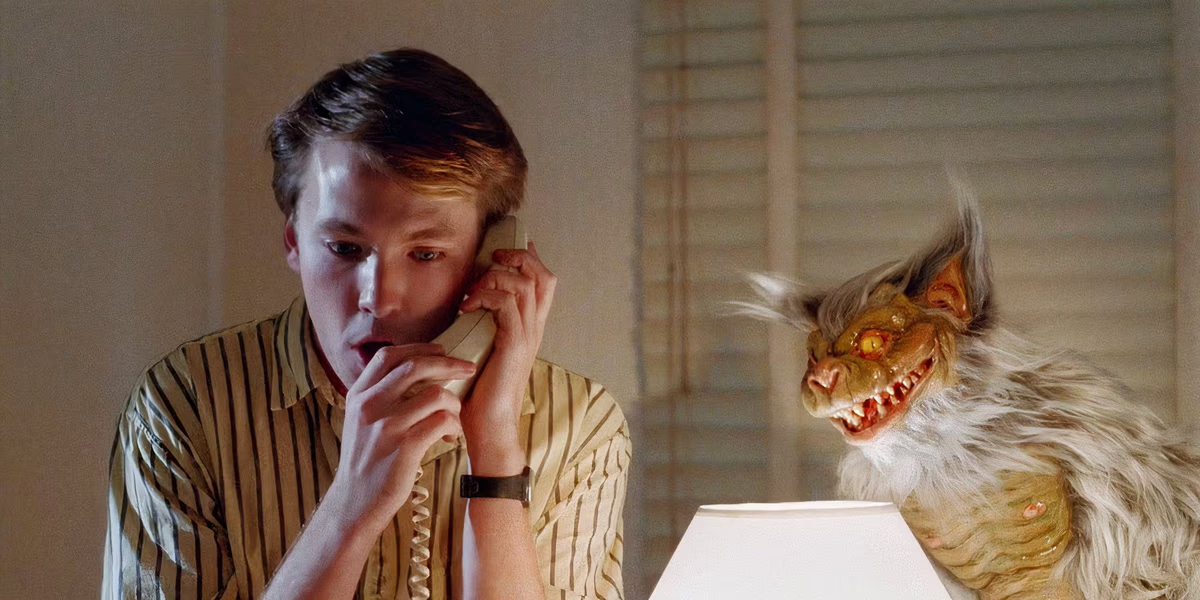
The 1980s were a golden age for horror, but not every film hit the mark. Dive into six of the decade's most bafflingly bad horror movies that somehow slipped through the cracks.
10 Misterios Aterradores que Definieron el Cine Más Espeluznante de 2026
Sumérgete en los misterios escalofriantes que cautivaron a las audiencias en 2026. Estas películas combinan suspense con verdaderos sustos, demostrando que un buen enigma puede ser lo más aterrador de todo. Desde thrillers psicológicos hasta historias de terror sobrenatural, este año ha visto una gran variedad de películas que nos han hecho temblar en nuestros asientos.