 WeCult App
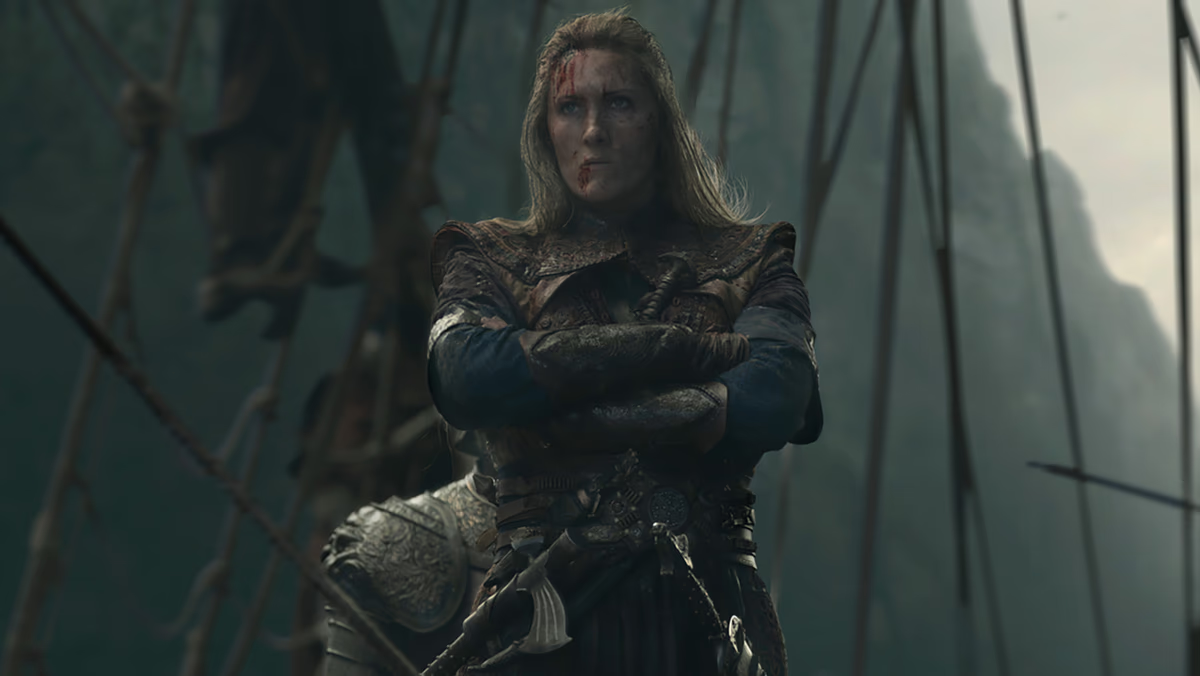
House of the Dragon's Dark Scenes: Is Your TV to Blame?
Fans are still debating the visual clarity of Westeros, but the culprit might be closer to home than you think. Plus, a beloved comedy's unexpected comic book connection.
The Dimness Debate: Is Westeros Too Dark to Watch?
For a show set in a realm often shrouded in political intrigue and literal darkness, House of the Dragon has faced its share of criticism regarding visual clarity. Viewers have frequently taken to online forums and social media to express frustration with scenes that appear too dark, making it difficult to discern the on-screen action. This critique isn't new to the Game of Thrones prequel, which inherited a visual aesthetic that often favored shadowy interiors and moody exteriors. However, the recent discussions have brought a crucial point to the forefront: sometimes, the issue isn't the show's cinematography, but the very device you're watching it on.
Many experts and even some showrunners have pointed out that modern television settings can significantly impact the viewing experience. Overly aggressive contrast settings, incorrect gamma calibration, or even ambient room lighting can conspire to make even well-lit scenes appear murky. The intention behind House of the Dragon's visual style was to immerse viewers in the gritty, often brutal world of Westeros, but this artistic choice can inadvertently alienate audiences if their playback environment isn't optimized. It’s a delicate balance between creative vision and accessibility, and one that continues to spark debate among the show’s passionate fanbase.
A Surprisingly Nerdy Crossover Revealed
Beyond the visual woes of dragons and dragonslayers, the entertainment landscape is always ripe with unexpected connections. In a fascinating tidbit that bridges the gap between network television and the sprawling Marvel Universe, it's been revealed how one of NBC's less successful ventures inadvertently became part of the comic book canon. Back in 1983, a particular NBC series found its way into the Marvel Universe through a crossover with Night Man, a character whose origins lie in Malibu Comics. This connection highlights the intricate web of pop culture, where even seemingly disparate properties can find common ground, often in ways that surprise even the most dedicated fans.
This revelation adds a layer of meta-commentary to the world of television, reminding us that the stories we consume are often more interconnected than they appear. While House of the Dragon grapples with viewer perception of its visual darkness, other corners of the TV world are quietly weaving intricate lore that spans across different media. It’s a testament to the enduring power of narrative and the creative ways in which franchises expand and surprise us.
What's Next
While House of the Dragon continues to dominate conversations, audiences can look forward to a variety of exciting premieres and developments across the TV spectrum. The upcoming year promises more content for dedicated binge-watchers, with potential for further revelations and fan-favorite returns. Keep an eye on official announcements for updates on your most anticipated series.
This piece dives into fan discussions surrounding visual presentation in popular shows, offering a practical explanation for common viewer complaints and touching on broader media universe connections.


WeCult App
Track your series — all in one place
Follow releases, track progress, discover what matches your taste. Rate "House of the Dragon's Dark Scenes: Is Yo…" on the app.
More Like This
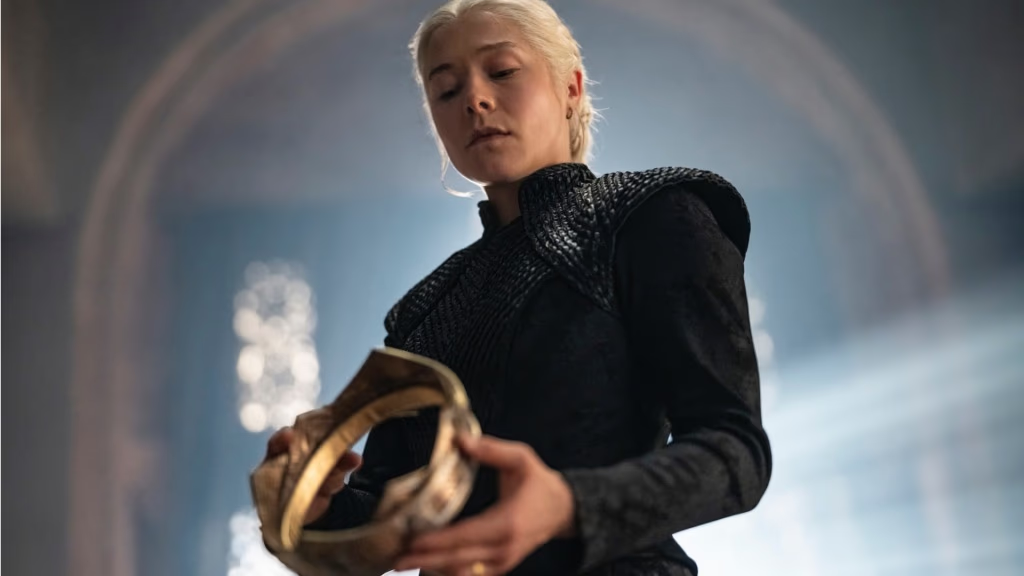
House of the Dragon Is a History Lesson for True Westeros Nerds
While some fans found it slow, House of the Dragon's intricate focus on Westerosi lore is its greatest strength. It's a different kind of Game of Thrones prequel that rewards deep dives into its fictional past.
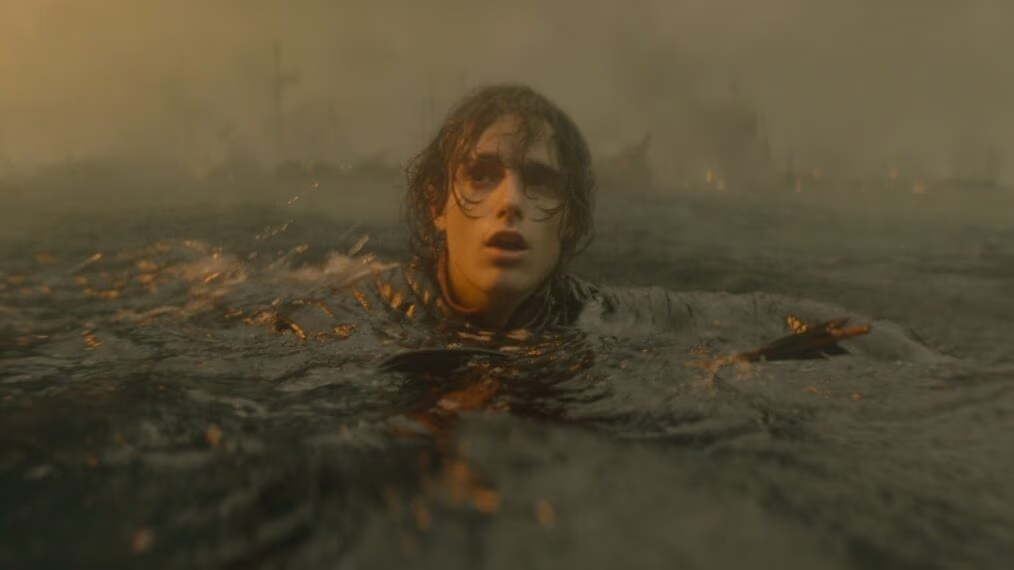
House of the Dragon Star Harry Collett Reacts to Jace's Shocking Death
The actor behind Jacaerys Velaryon shares his emotional response to his character's tragic fate in the latest season. Fans are still reeling from the devastating loss.
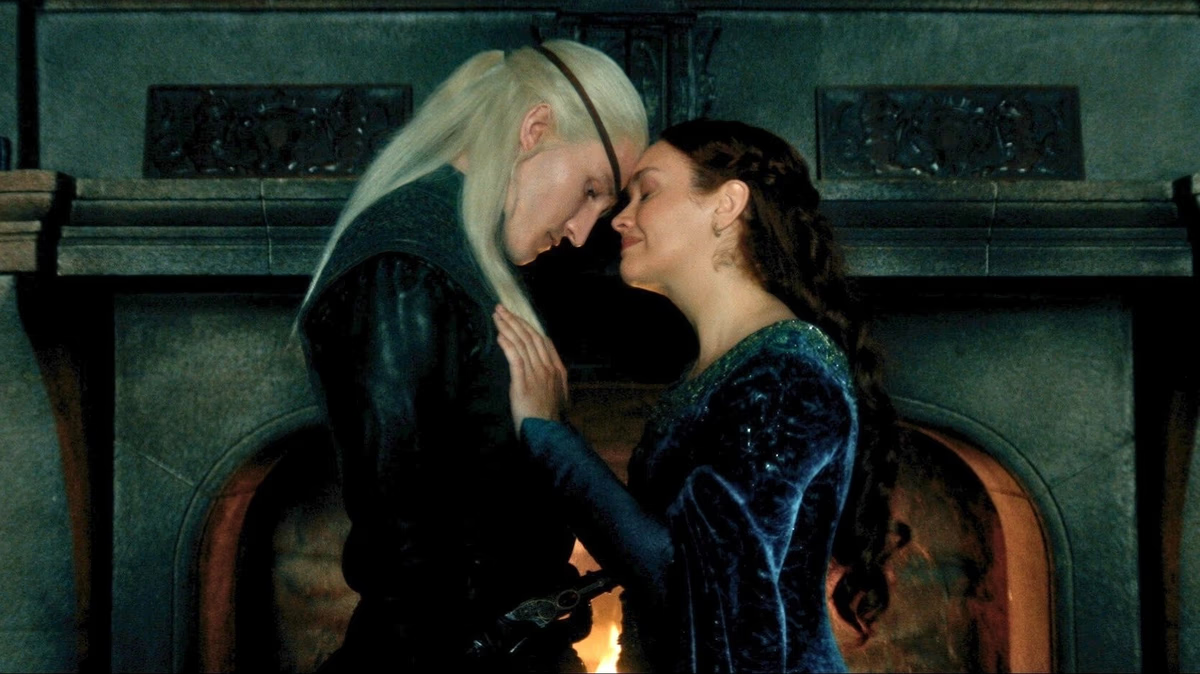
House of the Dragon Stars React to That Disturbing Alicent-Aemond Premiere Kiss
Olivia Cooke and Ewan Mitchell, the stars behind Alicent and Aemond Targaryen, have spoken out about the unsettling kiss that opened the latest episode. Their candid reactions mirror the shock felt by viewers worldwide.